YOUR GUIDE TO CHOOSING SLATE OR CORIAN?
If you’re choosing a new house sign, you’re probably after three things: it needs to look sharp, stay readable, and survive the kind of weather that treats Britain like a stress test. Two of the most popular premium options are the slate house sign and the corian house sign—both brilliant materials, but with different strengths depending on your style, location, and how you want the finished sign to feel.
This guide breaks down the differences in plain English, so you can pick the right sign (and get it fitted properly the first time).
Quick comparison at a glance (in human terms)
Slate house sign: natural stone, textured character, “classic and premium” vibe, each piece unique.
Corian house sign: ultra-clean finish, modern look, colour consistency, fantastic for crisp engraved lettering and contemporary homes.
Why your house sign matters (more than you think)
A good house sign isn’t just decoration. It helps:
Visitors find you quickly (especially at night or in bad weather)
Delivery drivers stop guessing (and stop leaving parcels in the neighbour’s recycling)
Emergency services identify the right property faster
Your entrance look finished, intentional, and well cared-for
And because it lives outdoors 24/7, material choice matters. A cheap sign can fade, crack, warp, or become unreadable surprisingly fast.
What makes a slate house sign so popular?
A slate house sign is made from natural stone, which means no two pieces ever look exactly the same. That’s the point.
What slate does really well
Natural texture and character: subtle layering, clefts, and grain give it that high-end feel.
Timeless look: perfect for cottages, period properties, farmhouses, and traditional exteriors.
Weather resistance: slate handles rain, frost, and sun extremely well when properly sealed and engraved.
What to consider with slate
Natural variation: colour tones and texture will vary (that’s part of the charm, but worth knowing).
Edges/finish options: riven edges feel rustic; smooth edges feel more contemporary.
Mounting matters: slate is tough but still stone—correct fixings prevent stress points.
Best for: traditional homes, stone/brick facades, rural properties, heritage vibes, anyone who wants a sign that looks like it belongs there.
Why choose a Corian house sign?
A corian house sign is a sleek, modern option with a beautifully consistent surface. Corian is a solid-surface material originally developed for demanding environments (it’s used for everything from worktops to commercial interiors), and it shines when you want clean design and sharp readability.
What Corian does really well
Crisp engraving and colour infill: perfect for high contrast text that stays readable.
Modern aesthetic: smooth, minimalist finish suits contemporary homes and new builds.
Colour consistency: what you approve is what you get—clean and predictable.
Low maintenance: easy to wipe down, very stable outdoors when produced correctly.
What to consider with Corian
Style: Corian leans modern. If you want rustic character, slate usually wins.
Design choices matter: the right font and spacing make Corian look premium; the wrong choices can look “generic.”
Best for: modern homes, rendered walls, contemporary entrances, clean typography, bold house numbers, and anyone prioritising maximum readability.
Slate house sign or Corian house sign: how to decide
Here’s the simplest way to choose:
1) Match your property style
Period / cottage / stone walls → slate house sign
Modern / minimalist / rendered exterior → corian house sign
2) Decide what “premium” looks like to you
Premium = natural, unique, tactile → slate
Premium = sharp, crisp, architectural → Corian
3) Prioritise readability
Both can be extremely readable—if the contrast is designed correctly.
Good readability usually means:
Larger numbers than you think you need
High contrast (light text on dark background or vice versa)
Simple fonts with clean spacing
Avoiding overly thin strokes on smaller signs
If maximum clarity is your top priority, a corian house sign with bold engraving and strong contrast is hard to beat.
4) Think about placement and fixing
On rough stone/brick: slate looks naturally at home.
On smooth render: Corian often looks cleaner and more intentional.
Also consider whether you want:
Hidden fixings (floating look)
Stand-off fittings (modern “shadow gap”)
Flush mounting (classic and tidy)
Design tips that make any house sign look expensive
Whether you choose a slate house sign or a corian house sign, these are the things that separate “nice” from “wow”:
Use hierarchy: big house number, smaller street name
Leave breathing space: margins matter (crowded = cheap)
Pick the right font: classic serif for traditional; clean sans-serif for modern
Don’t over-decorate: one good design decision beats five messy ones
Think about viewing distance: if it’s at the end of a drive, size up
If you’re unsure, a simple layout with a bold number and clean lettering is almost always the safest, most premium-looking choice.
Maintenance and longevity
Slate house sign care
Slate is naturally durable. To keep it looking its best:
Rinse dirt off occasionally (especially if you’re near a main road)
Avoid harsh acids/bleach
If your sign has paint infill, occasional refresh can keep contrast looking brand new
Corian house sign care
Corian is extremely easy to maintain:
Warm soapy water is usually enough
Wipe down as needed
Avoid abrasive pads that can dull the finish
Both options are built for long-term outdoor use when engraved and finished properly.
Common questions (FAQ)
What lasts longer: a slate house sign or a Corian house sign?
Both can last for many years outdoors. Slate is a natural stone with excellent weather resistance; Corian is very stable and low maintenance. Longevity comes down to quality engraving, finishing, and correct installation more than the material alone.
Which is better for coastal areas?
Coastal conditions are harsh (salt, wind, constant moisture). Both can perform well, but many homeowners like Corian’s easy-clean surface and consistent finish. Slate also performs excellently when properly sealed and mounted.
Do slate house signs crack easily?
Slate is strong, but like any stone it can crack if it’s poorly installed (stress from uneven surfaces or incorrect fixings). Correct mounting and appropriate hardware make a huge difference.
Are Corian house signs suitable for traditional homes?
They can be—especially if you choose a classic layout, restrained font, and a colour that complements older brick or stone. But if you want natural texture and a heritage feel, slate usually fits more naturally.
What’s the best size for a house sign?
It depends on distance and speed of passing traffic. As a rule: if you’re unsure, go bigger. A sign that’s too small is the most common regret.
Final thoughts: pick the material that suits your home (and your life)
If you want natural character and that timeless “proper house” feel, a slate house sign is the easy win.
If you want crisp modern lines, consistent colour, and maximum readability with minimal maintenance, a corian house sign is the standout choice.
Either way, a well-designed sign is one of the simplest upgrades you can make to your exterior—and you’ll notice the difference every time you come home.
Want help choosing?
If you tell us:
a photo of your entrance (or a quick description),
whether you prefer modern or traditional,
and what you want on the sign (number/name),
…we can recommend the best option (slate or Corian), plus a layout that looks premium and stays readable.

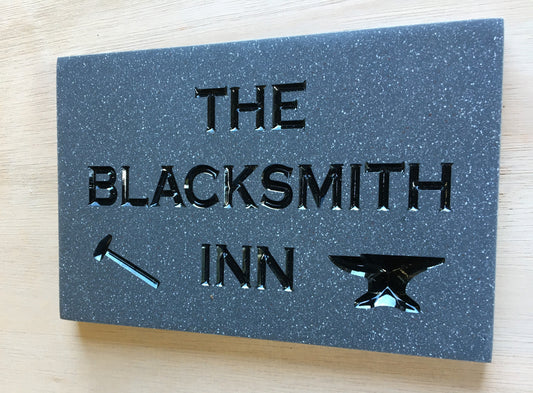
Corian House Sign-Deep engraved-200mm x 150mm
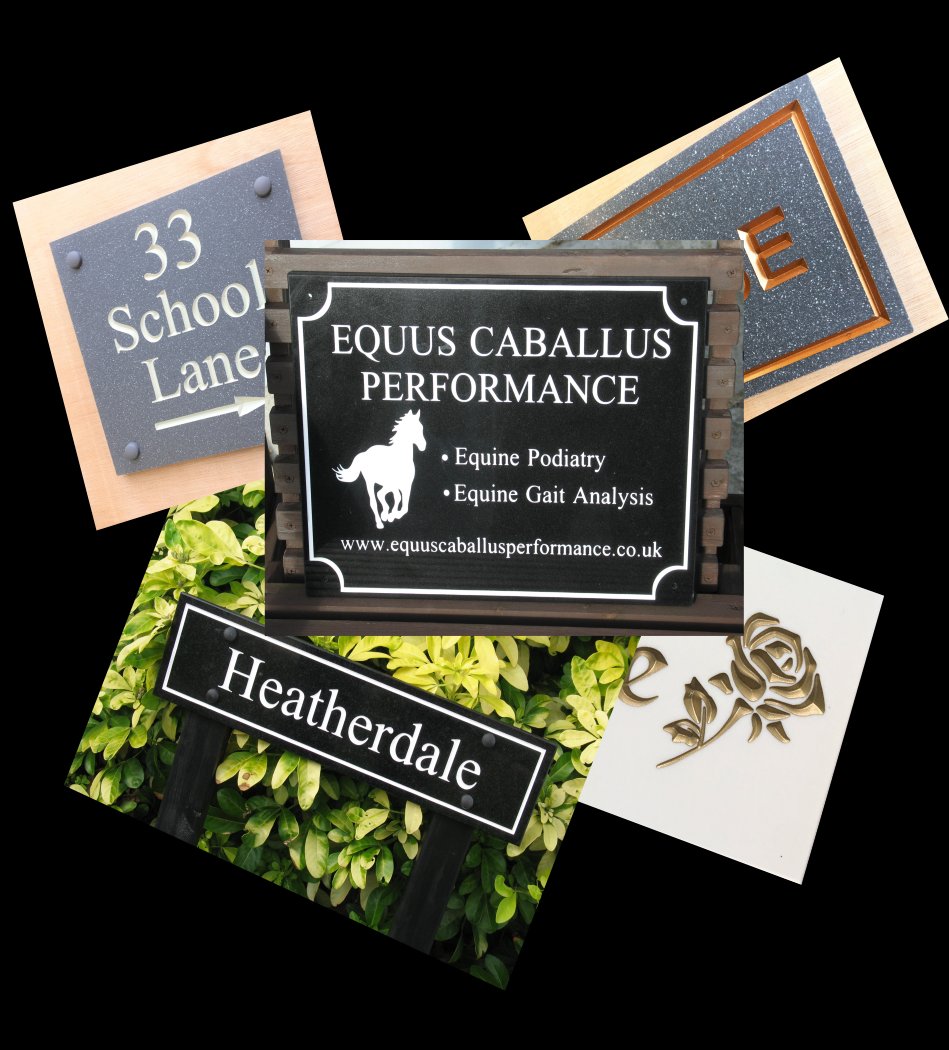
Corian House Signs
Engraved Corian House Signs and Number Plaques in the UK Welcome to...